About Lithium Metasilicate
Over years of experience enable us manufacture export and supply quality oriented range of Lithium Metasilicate. This chemical compound is widely used falibration of thermocouples. Our dexterous professionals process this metasilicate by utilizing pristine quality basic chemical compounds and sophisticated techniques in adherence with international quality standards. Furthermore this product is made available with us in different packaging options at industry leading prices in stipulated time limit.
Lithium Metasilicate Properties:
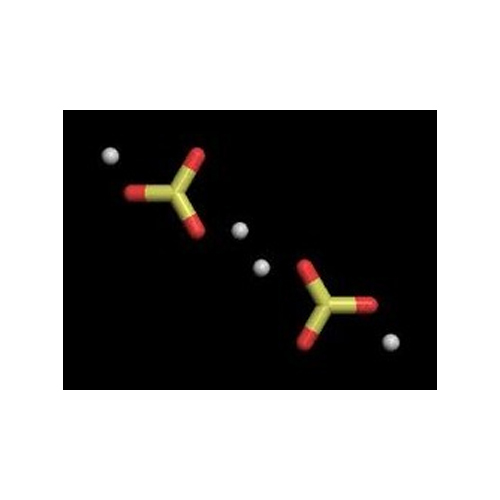
1. Chemical formula: Li2SiO3
2. Molar mass: 89.566 g/mol
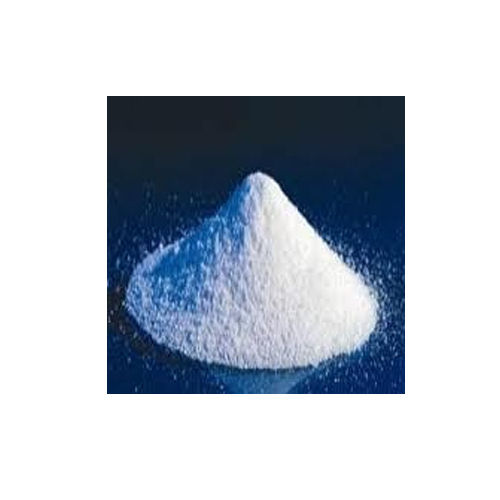
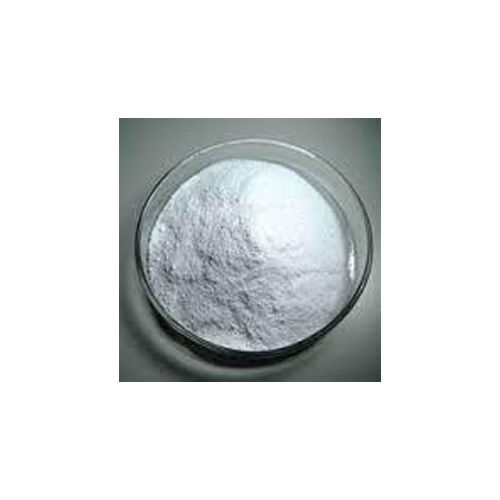
3. Appearance: Colorless crystals
4. Density: 2.52 g/cm3
5. Melting point: 1,201 degree centigrade
6. Solubility in water: Insoluble
7. CAS Number: 10102-24-6
Lithium Metasilicate Applications:
1. Binder in Refractory Materials: Lithium metasilicate is often used as a binder in the manufacturing of refractory materials, such as bricks and coatings. It helps improve the high-temperature stability and mechanical strength of these materials.
2. Concrete and Cement Additive: In construction, lithium metasilicate can be added to concrete and cement formulations to enhance their durability, strength, and resistance to chemical attack. It helps in reducing alkali-silica reaction (ASR) and efflorescence in concrete structures.
3. Coating and Surface Treatment: Due to its ability to form a durable and water-resistant film, lithium metasilicate is used in coatings and surface treatments for various substrates like concrete, masonry, and metal. These coatings provide protection against moisture, abrasion, and chemical corrosion.
4. Lithium-ion Batteries: Lithium metasilicate has been investigated for potential applications in lithium-ion batteries as an electrolyte additive or as a component in solid-state electrolytes due to its ionic conductivity properties. Research in this area aims to improve battery performance and safety.
5. Fire Protection: It is used in fire protection coatings due to its ability to form a fire-resistant barrier when applied to surfaces. This makes it valuable in enhancing the fire resistance of materials used in construction and industrial settings.
6. Ceramic Industry: Lithium metasilicate finds application in the ceramic industry as a fluxing agent, helping to reduce the melting point of ceramic materials and promoting densification during firing processes.
7. Detergents and Cleaners: In household and industrial cleaning products, lithium metasilicate is used as a builder and alkalinity source due to its ability to enhance cleaning efficiency and soil removal.
8. Catalysts: Lithium metasilicate-based catalysts are used in various chemical processes, including the production of specialty chemicals and petrochemicals.
9. Water Treatment: It is used in water treatment processes for controlling scaling and corrosion in industrial water systems.
Lithium Metasilicate FAQ:
1. How is it Used in Concrete and Cement?
Ans: In concrete and cement applications, lithium metasilicate is added to formulations to improve durability, strength, and resistance to chemical attack. It can mitigate issues like alkali-silica reaction (ASR) and efflorescence.
2. Is Lithium Metasilicate Environmentally Safe?
Ans: Lithium metasilicate is generally considered safe for the environment when used according to recommended guidelines. It is non-toxic and does not pose significant environmental risks.
3. Can it be Used in Lithium-ion Batteries?
Ans: Yes, lithium metasilicate has been researched for potential applications in lithium-ion batteries, particularly as an electrolyte additive or in solid-state electrolytes, to enhance battery performance and safety.
4. How is it Applied in Coatings and Surface Treatments?
Ans: Lithium metasilicate is applied as a coating or surface treatment to various substrates like concrete, masonry, and metal. It forms a durable and water-resistant film, providing protection against moisture, abrasion, and chemical corrosion.
5. What Role Does it Play in Fire Protection?
Ans: In fire protection coatings, lithium metasilicate forms a fire-resistant barrier when applied to surfaces, enhancing the fire resistance of materials used in construction and industrial settings.
6. Is Lithium Metasilicate Hazardous?
Ans: Lithium metasilicate is generally considered safe when handled properly. However, like any chemical substance, it should be used according to safety guidelines to minimize potential hazards.
Exceptional PurityLithium Metasilicate is provided with an industry-grade purity of 99%, meeting the stringent requirements of industrial applications.
Thermal StabilityWith a melting point of 1201C, Lithium Metasilicate performs reliably under high-temperature conditions, making it ideal for complex thermal processes.
Reliable Quality and AvailabilityAs a product supplied by trusted manufacturers and exporters in India, Lithium Metasilicate is consistently available with assured quality.
FAQs of Lithium Metasilicate:
Q: What is the function of Lithium Metasilicate in industrial applications?
A: Lithium Metasilicate is used as a high-performance material in industrial sectors due to its thermal and chemical stability as well as excellent purity.
Q: How is Lithium Metasilicate stored?
A: It is best stored at room temperature in a dry environment; ensure dust control and proper sealing to maintain its properties.
Q: Where can Lithium Metasilicate be sourced reliably?
A: Lithium Metasilicate can be sourced from trusted exporters, manufacturers, suppliers, and traders based in India.
Q: What are the benefits of using Lithium Metasilicate?
A: Its high purity and thermal stability make it ideal for demanding industrial processes, providing effective and reliable results.
Q: How soluble is Lithium Metasilicate in water?
A: Lithium Metasilicate is insoluble in water, which makes it suitable for applications requiring stable solid forms in liquid environments.
Q: What grade is Lithium Metasilicate available in?
A: The compound is available in industrial grade, which ensures its suitability for industrial demands and specifications.







 Get Latest Price

 Send Inquiry
 Send Inquiry
 Send SMS
 Call Me Free


